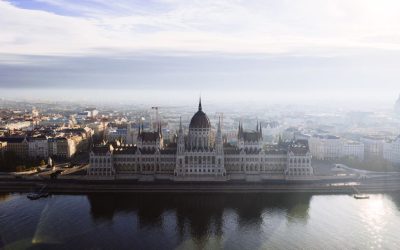

This institutional article examines the strategic approach undertaken by REI in relation to urban renewal within Indonesian metropolitan areas. The focal point of the initiative is the adaptation of established European frameworks for urban restoration and renewal to address the developmental needs of Indonesia’s rapidly expanding metropolitan regions. By translating European models into the Indonesian context, REI seeks to provide a structured pathway for revitalizing city cores, improving neighborhood conditions, and aligning rehabilitation efforts with broader urban development objectives.
A central element of the approach is the selective adoption of European historical restoration concepts. These concepts emphasize preserving architectural heritage, maintaining cultural continuity, and integrating restoration with contemporary urban functions. The intent is to balance preservation with progressive urban transformation, ensuring that renewal activities respect historical contexts while enabling modern usability and resilience. Such an emphasis on historical restoration is positioned as a means to cultivate distinctive urban identities within Indonesian metros, contributing to long-term sustainability and social value.
Concurrently, REI incorporates smart-city blueprints as a core component of its renewal strategy. The smart-city dimension focuses on leveraging data-driven planning, digital infrastructure, and intelligent design to enhance efficiency, accessibility, and quality of life for urban residents. The inclusion of smart-city elements aims to support more resilient transportation networks, energy management, housing delivery, and public services. By embedding these blueprints into its pipeline, REI signals a commitment to outcomes that reflect contemporary standards in urban governance and technology-enabled urbanism.
The combined emphasis on European restoration principles and smart-city planning represents a deliberate alignment of international best practices with domestic market opportunities. The approach seeks to position Indonesian domestic real estate as a central instrument in metropolitan renewal, rather than as a peripheral activity. Through this stance, REI aims to create a coherent framework that can guide investment, policy alignment, and project execution across multiple urban districts. The overarching objective is to catalyze revitalization that is economically viable, culturally sensitive, and technologically informed.
In assessing the implications of this strategy, stakeholders may consider the potential for enhanced urban quality of life, increased investment confidence, and strengthened capacity for coordinated urban governance. The model posits that integration of heritage-aware restoration with advanced digital urbanism can yield tangible benefits for residents, businesses, and the broader urban ecosystem. While rooted in European precedents, the initiative emphasizes adaptation to local urban dynamics, regulatory environments, and community needs to ensure relevance and effectiveness within Indonesian metropolises.
Source:
Read original source
Source title:
RSS titleREI Adapts European Urban Renewal Models To Revitalize Indonesian Metros
Source description:
RSS descriptionBy embedding European historical restoration and smart–city blueprints into its pipeline, REI is positioning Indonesian domestic real estate as a …
Source article: Google
Image: 2026/06/pexels-photo-37505679.jpg.jpg