E³-GOV FORUM 2026 - FINAL REPORT & RESOLUTION
Palace of Parliament
23.04.2026
INCE - Romanian Academy
24.04.2026

Shaping the future

Special contributions
Radu – Adrian Rey
President of ROMONTANA, Vice President of EUROMONTANA
23.04.2026
Central message:
The energy transition cannot be uniform — it must be territorially adapted, and mountain areas represent the real test of energy resilience and equity.
Theme 1: Territorial inequalities in access to energy
Local authorities do not start from the same level.
- Infrastructure costs are significantly higher in dispersed mountain areas
- Energy networks are more fragile and more difficult to modernize
- The risk of energy poverty is higher
In Romania, the energy transition risks deepening territorial disparities unless dedicated instruments are introduced for mountain and dispersed rural areas.
Theme 2: Local authorities = key actors, but insufficiently equipped
Municipalities have responsibilities, but they lack the necessary instruments.
- Lack of technical capacity (complex energy projects)
- Lack of specialized human resources
- Difficult access to European funding
Local authorities are on the front line of the energy transition, but without administrative capacity and technical expertise, they become executors rather than strategic actors.
Theme 3: The specificity of mountain areas
Mountain areas are NOT only disadvantaged (accessibility, costs, low population density) — they also have energy opportunities.
- Micro-hydropower, biomass, local solutions
- Small communities are ideal for local energy communities
- They can become laboratories for innovative solutions
Mountain areas are not merely a problem to be solved — they are not only a vulnerability, but also an opportunity for decentralized and community-based energy solutions.
Theme 4: Digitalization as critical infrastructure
Without digitalization, there can be no real energy transition.
- Smart grids
- Consumption monitoring
- Digital inclusion
The energy transition is, in essence, a digital transition. Without access to digital skills and infrastructure, local communities remain excluded from this process.
Theme 5: Energy communities & local participation
Energy must be democratized.
- Local energy production (including local energy cooperatives)
- Local ownership (benefits remain within the community)
- Social acceptance
- From consumers to prosumers
The future of energy is not only green, but also participatory — communities must become producers, not only consumers.
Theme 6: Public policies
What is missing in Romania?
Concrete proposals:
- Dedicated schemes and instruments for mountain areas
- Energy inclusion indicators
- Support for energy communities
- Integration of energy into local development strategies
We need territorially differentiated policies — “one size fits all” does not work in the energy sector.
Conclusion: The transition must be just, not only green. If we truly want a just energy transition, we must begin with the most vulnerable areas — and mountain regions are the place where we can test whether our policies actually work (if they work there, they will work anywhere).
About the event
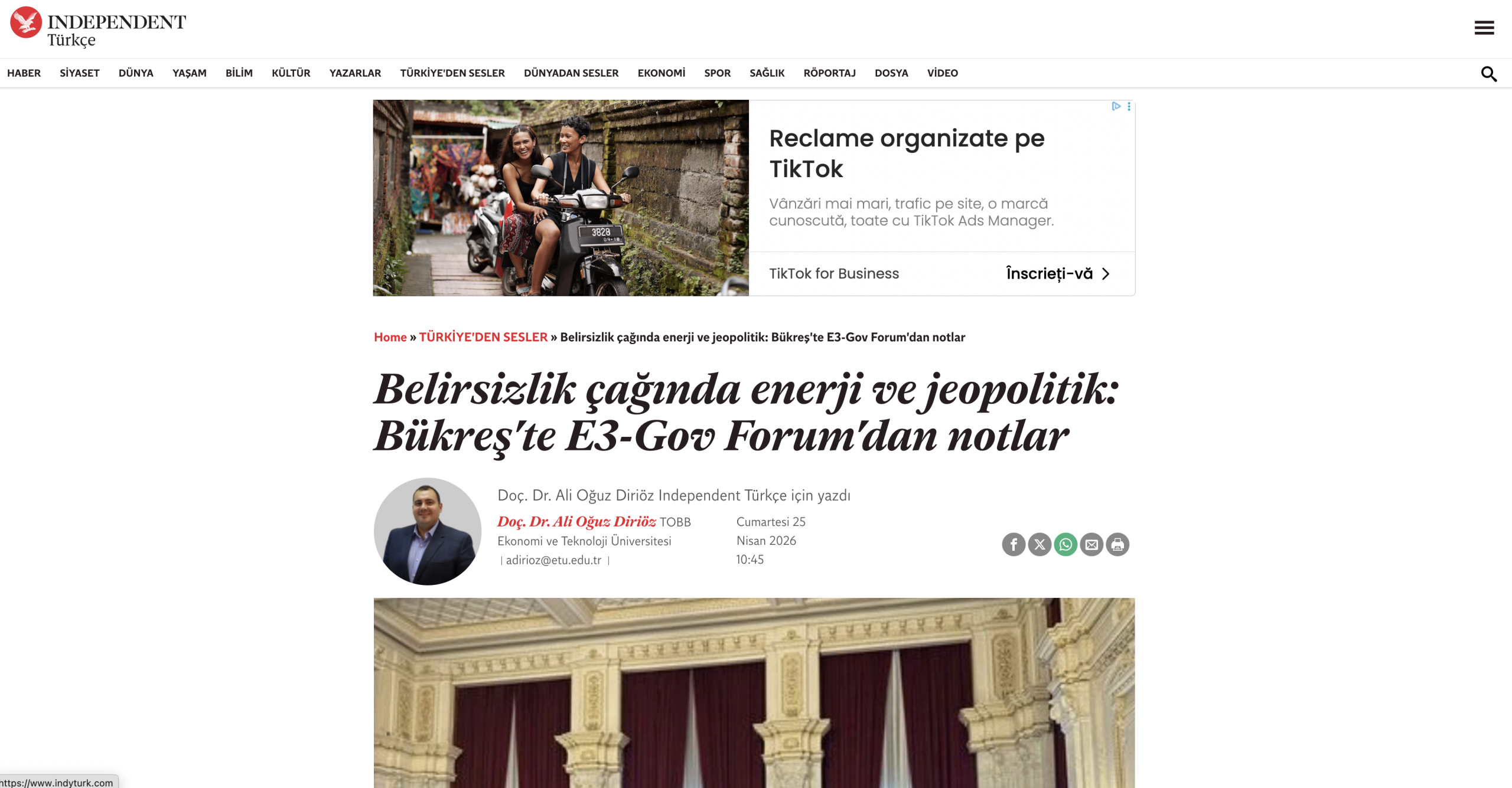
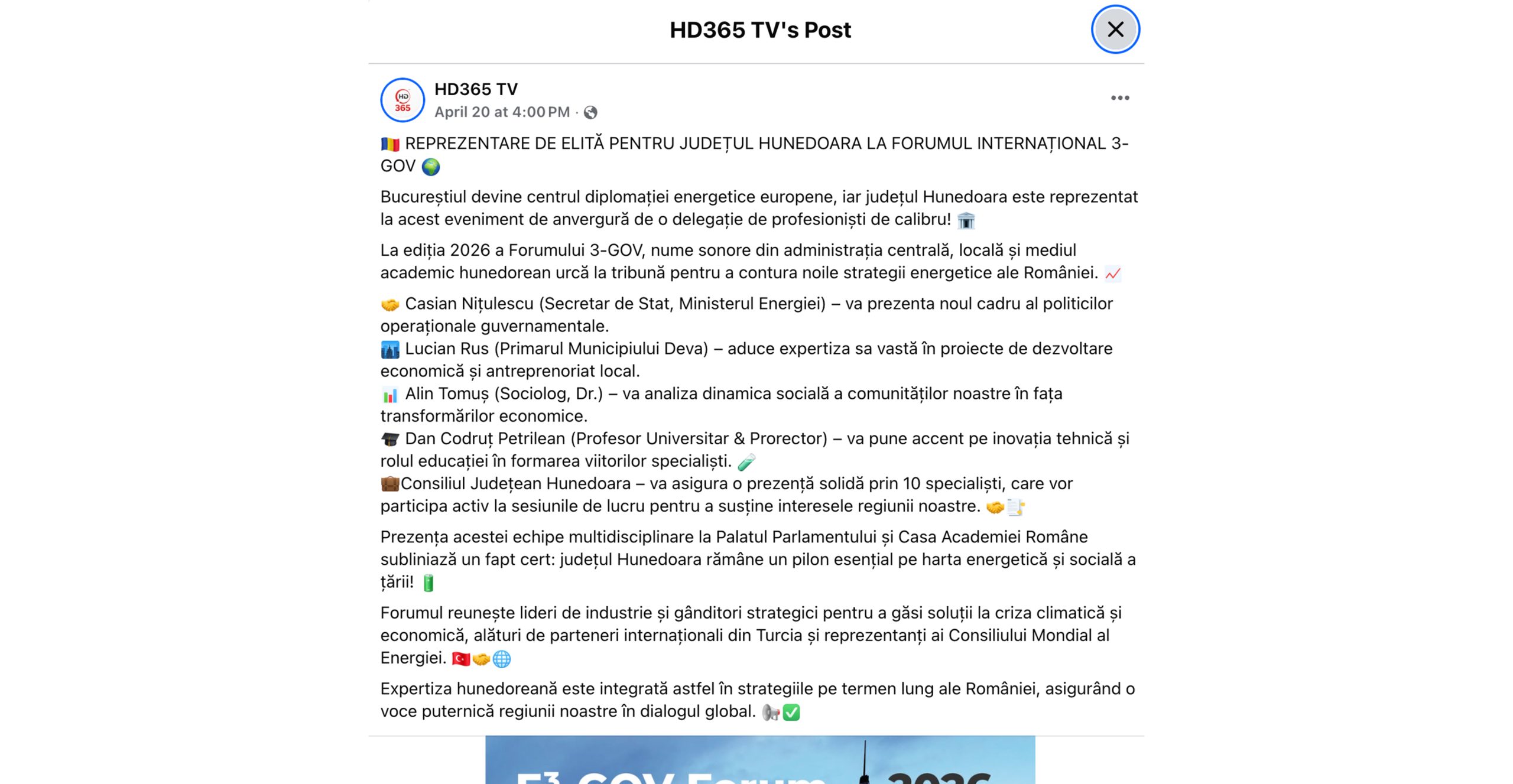
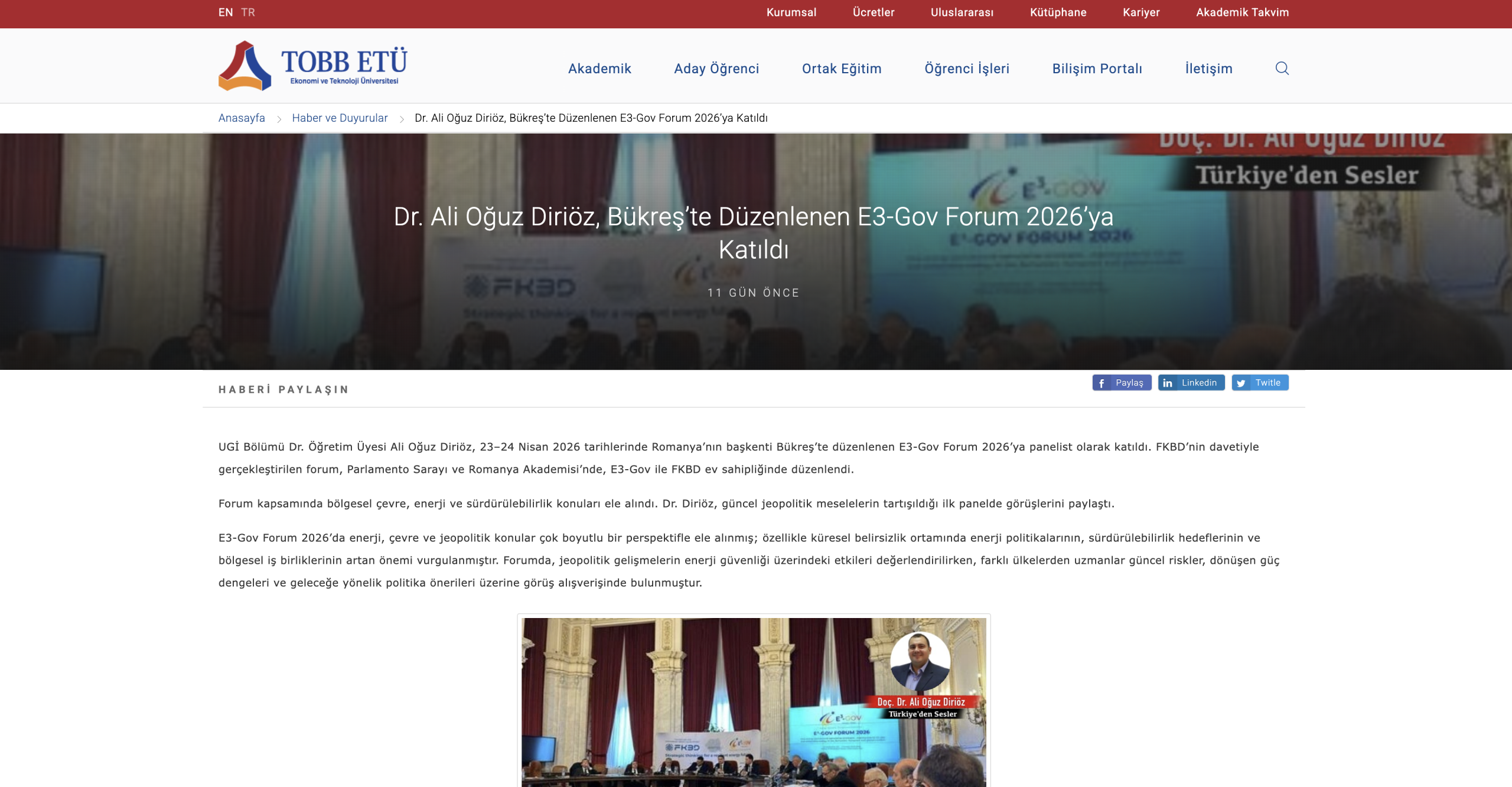
All our gratitude and a BIG THANK YOU to our partners that heped us bring together this event!