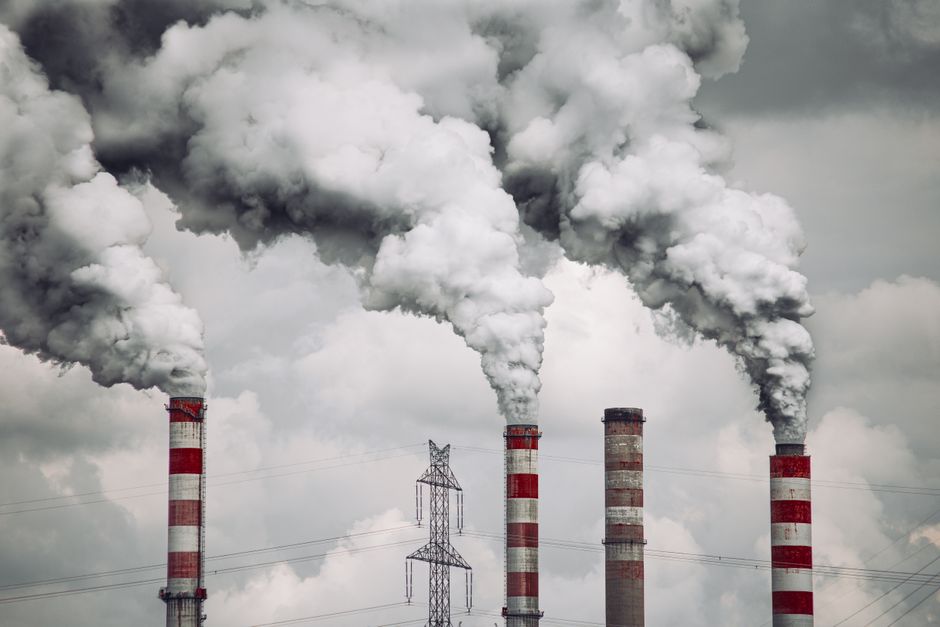
Europe is currently confronted with a multifaceted challenge tied to its ongoing dependence on fossil fuels. An analysis published under the title Making This Fossil Fuel Crisis Europe’s Last One by CleanTechnica contends that this dependence has produced observable economic and strategic pressures within the European energy landscape. The described dynamic is presented as a form of security and economic risk borne out of reliance on fossil fuel supplies, which, according to the source, has resulted in a twofold burden for European consumers and economies.
First, the analysis attributes a rise in energy costs to the persistently high exposure of European energy systems to fossil fuel markets. This exposure arises from the need to secure continuous energy supply in the face of fluctuating global prices, supply interruptions, and the inherent price volatility associated with fossil fuels. The article traces a direct linkage between this volatility and elevated household and industrial energy expenditures, noting that end users experience cost pressures as wholesale prices translate into retail bills. The emphasis is on the tangible consumer impact during periods of intensified fossil fuel price activity, which has been observed in recent seasons and is tied to broader market dynamics as well as geopolitical considerations that influence energy pricing in Europe.
Second, the piece foregrounds what it characterizes as a consequential dependence on fossil fuels that extends beyond immediate retail costs. While the article’s description is concise in the provided summary, it implies that the broader dependence has longer-term implications for European energy security, strategic autonomy, and industrial competitiveness. The analysis implies that these dimensions contribute to ongoing fiscal and policy challenges for European states, as they seek to manage energy affordability while balancing reliability of supply and the environmental implications of energy generation choices. Within this framing, the fossil fuel dependence is treated as a structural issue that affects energy policy, market design, and the resilience of energy infrastructure.
From a policy perspective, the article appears to advocate, or at least to describe, the imperative for enduring reform within Europe’s energy system. The underlying implication is that the crisis prompted by fossil fuel dependence—manifested through elevated energy costs and associated security considerations—necessitates a shift toward alternative energy sources, diversified supply chains, and measures aimed at reducing undue exposure to fossil fuel price shocks. The narrative recommends that Europe consider strategies that would reduce vulnerability to fossil fuel markets while fostering a transition toward more sustainable and secure energy solutions. The emphasis remains on avoiding exaggeration and preserving factual accuracy in describing the current conditions and their implications for policy and public welfare.
In presenting its case, the article situates the current experience within a broader historical and economic context. It acknowledges that the costs borne by Europeans are intertwined with the EU’s energy framework, market structures, and external dependencies that influence both price formation and supply security. While specifics such as timelines, numerical figures, or policy interventions are not detailed in the brief description provided here, the central claim centers on a measurable and discernible impact of fossil fuel dependence on European energy affordability and systemic resilience.
The discussion, as summarized, does not present commercial recommendations but rather offers an analytic framing that emphasizes prudent consideration of Europe’s energy future. It invites readers—policy makers, industry stakeholders, and researchers—to reflect on how to address the dual dimensions of the fossil fuel burden: immediate cost pressures for consumers and longer-term strategic vulnerabilities linked to energy dependency. The tone remains formal and restrained, focusing on the observable consequences of the current energy mix and the potential pathways to mitigate dependence on fossil fuels without overstating the outcomes.
In sum, the source article contends that Europe is experiencing a twofold exchange related to fossil fuel dependence: an immediate rise in energy costs for consumers and a broader set of implications for energy security and economic policy. The analysis appears to advocate for a reconsideration of Europe’s energy strategy in order to reduce vulnerability to fossil fuel market dynamics and to advance a transition toward more stable and sustainable energy solutions.
Source:
Read original source
Source title:
RSS titleMaking This Fossil Fuel Crisis Europe’s Last One – CleanTechnica
Source description:
RSS descriptionThis summer, Europeans are paying twice for the EU’s continued dependence on fossil fuels. First, in higher energy costs: the second fossil fuel …
Source article: Making This Fossil Fuel Crisis Europe’s Last One – CleanTechnicaGoogle
Image: 2026/08/pexels-photo-19419368.jpg.jpg