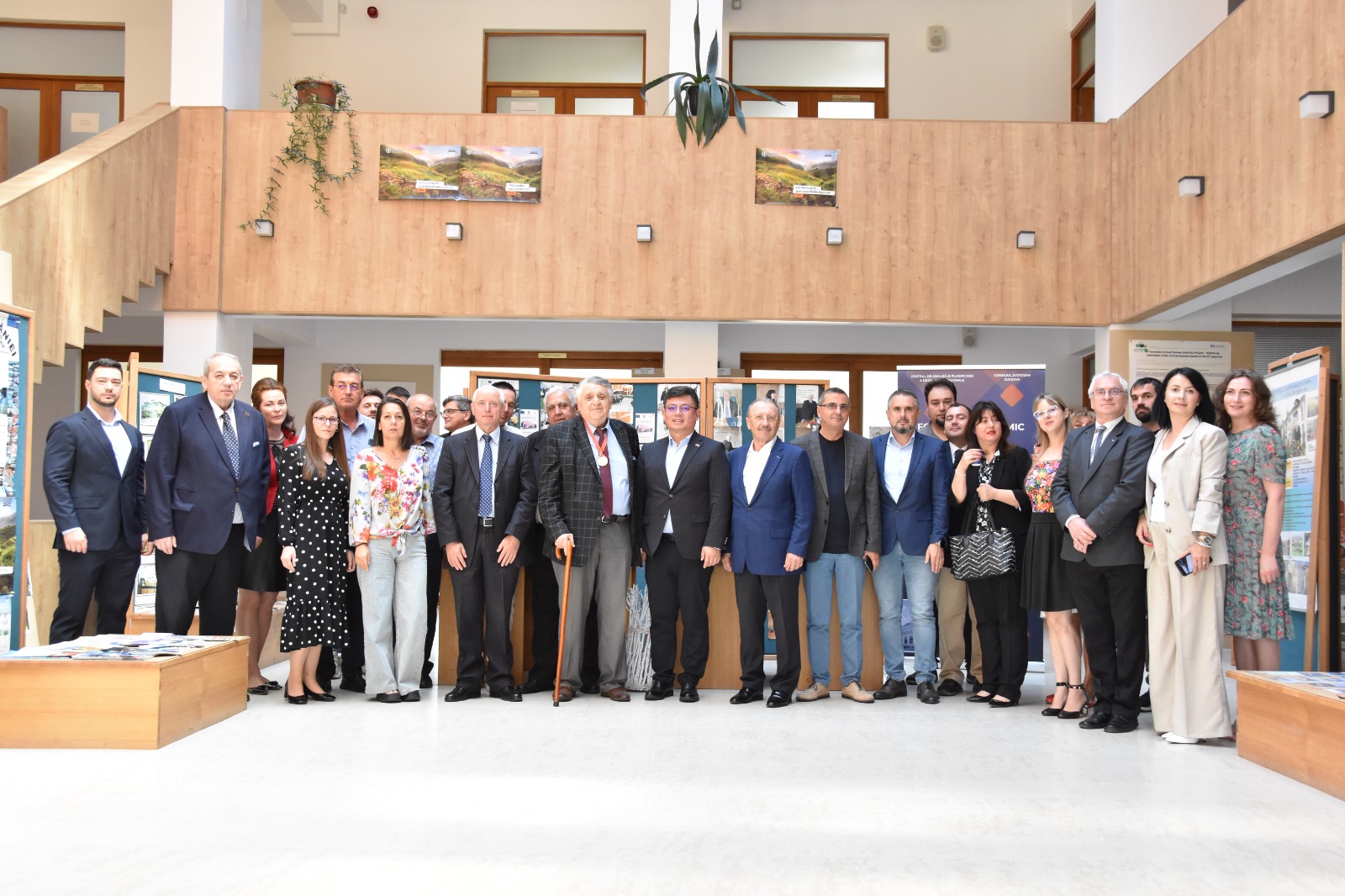
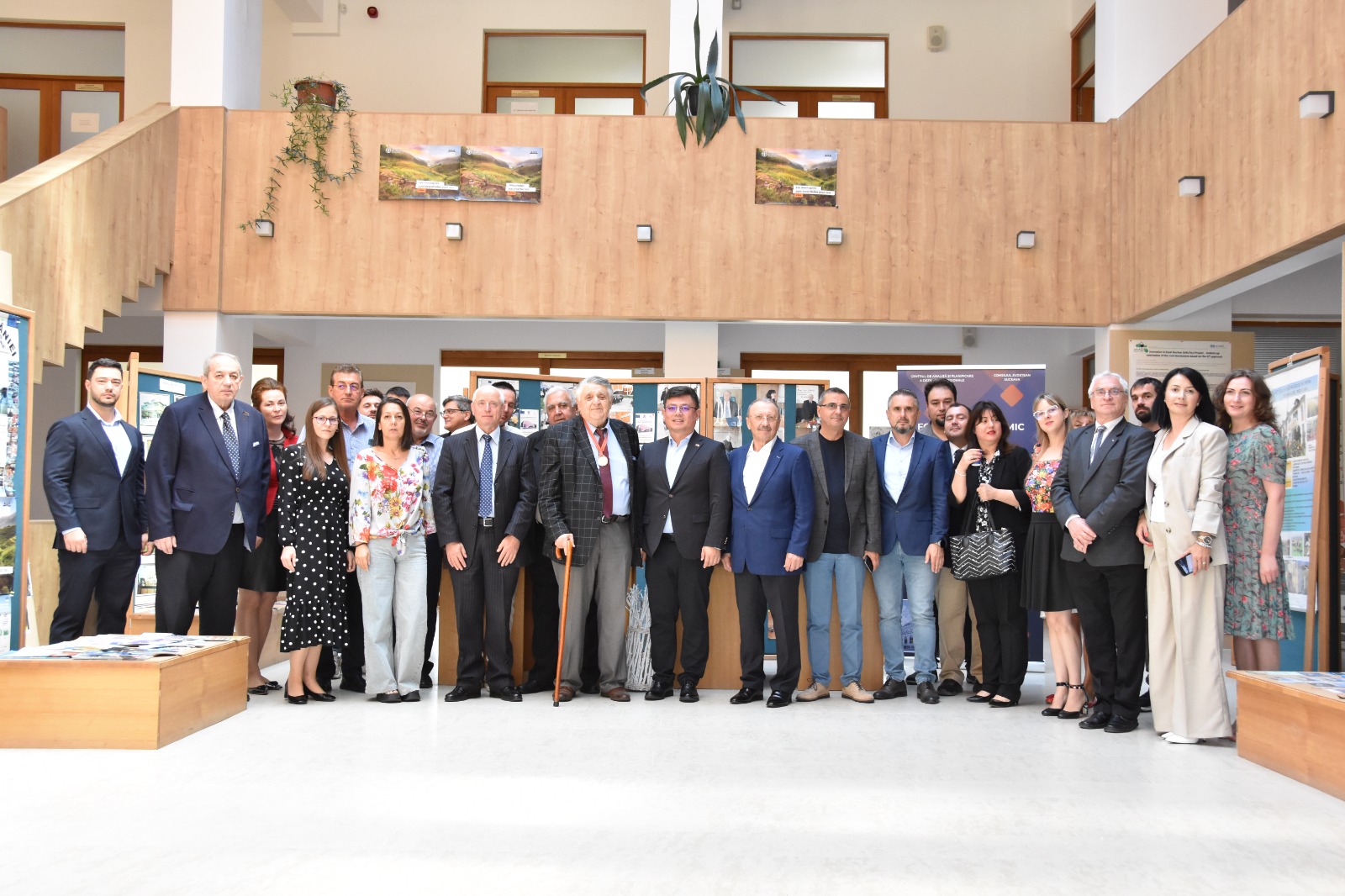
In July 2025, the Foundation for Knowledge-Based Development (FDBC) actively contributed to the 19th National Conference with International, Scientific and Informal Participation organized by CE-MONT (Center for Mountain Economy), Vatra Dornei / INCE / Romanian Academy. Under the theme
“Sustainable and Resilient Development of Romania’s Mountain Area in the Context of a Continuously Changing Multipolar World – A Mountain Economy Dedicated to People’s Well-being and Health”
the event convened scholars, practitioners, policymakers, and civil society actors to debate pressing challenges and prospects for mountain communities.
FDBC’s presence at this high-level forum signalled our commitment to bridging research, policy, and on-the-ground action in mountain regions. Below is an account of FDBC’s contributions, the pivotal moments at the conference, and reflections on emerging agendas for mountain economies.
Conference Context and Significance
Held on July 24–25, 2025, the CE-MONT conference adopted a hybrid model (in-person in Vatra Dornei and online) to accommodate broader participation. The event’s organizing partners spanned multiple national and international bodies: the National Agency for Mountain Areas (MADR), the Mountain Forum of Romania, the National Agency for Rural Mountain Development “ROMONTANA,” Silvania (Wood Research, Innovation & Promotion), Vatra Dornei City Hall, and international institutes such as IETI (International Engineering and Technology Institute) and IRIEM (International Research Institute for Economics and Management).
That the conference framed its topic within the “multipolar world” reflects an awareness that mountain areas are not insulated from global geopolitical, economic, and environmental shifts. The organizers sought to position mountain economies as critical nodes of resilience, resource governance, and human well-being in an era of uncertainty.
A total of 45 scientific papers were presented, including 27 from CE-MONT authors and 17 international contributions. Among the distinguished speakers were delegates from China, Italy, Türkiye, Sri Lanka, Georgia, Ukraine, and the Republic of Moldova. The event also honored long-term commitment to mountain development: at the opening, Prof. Dr. Ioan Gâf Deac bestowed an Excellence Diploma recognizing the “entire life career in service of mountain communities” of Prof. Dr. Radu Rey, General Manager of CE-MONT.
This recognition underscored the continuity and dedication behind the CE-MONT institution and its mission in Romania’s Carpathian territories.
FDBC Representation and Interventions
FDBC’s voice at the conference was articulated through two of our fellow researchers, whose papers and engagement underscored the foundation’s interest in integrated, cross-sector, transnational approaches in mountain settings.
1. Assoc. Prof. Dr. Ali Oğuz Diriöz
Paper: The Water-Energy-Food Nexus in a Globalized World: Strategic Implications for Mountain Regions
Dr. Diriöz’s presentation examined how the Water-Energy-Food (WEF) Nexus framework can offer strategic insight into resource governance in mountain regions, particularly under pressures of climate change, demographic shifts, and international interactions. In mountain areas, which serve as vital “water towers” for downstream communities, the interlinkages among water, energy, and food systems are especially critical. The research traced how uncoordinated national policies in one sector (e.g. energy) may generate externalities in neighboring regions, emphasizing the need for cross-sectoral and transboundary collaboration. The study further explored how mountain economies might embed the WEF Nexus in localized development models aligned with global sustainability agendas such as the SDGs and the EU Green Deal.
The reception of Dr. Diriöz’s talk was favorable: several participants highlighted its relevance to mountain hydropower, agroecology, and climate adaptation strategies. The framing of mountain territories as nodes within larger resource diplomacy processes resonated with policymakers keen to integrate national and regional planning.
2. Dr. Elif Dikmen Diriöz
Paper: The Role of Civil Society Organizations in Rural Tourism: Examples from Türkiye
Dr. Dikmen’s presentation shifted attention to the social dimension of sustainable development. She focused on how civil society organizations (CSOs) in Turkey are playing catalytic roles in structuring rural tourism in mountain and peripheral regions. She discussed the Buğday Association and its TaTuTa (Eco-Agro Tourism and Volunteer Exchange) farms, which combine agroecological practices with community engagement and volunteer networks. These models enhance local resilience by diversifying income, promoting ecological stewardship, and creating participative learning spaces. Through case illustrations, Dr. Dikmen argued for the replication and adaptation of such CSO-led models in other mountainous contexts.
Her presentation prompted dialogue on the potential of bottom-up, community-driven approaches to complement top-down developmental policies—an angle aligned with FDBC’s emphasis on inclusive governance and knowledge co-creation.
Key Highlights and Moments
Beyond the formal presentations, FDBC’s involvement was visible in several memorable moments and engagements during the conference:
-
Opening session and honors: The awarding of the Excellence Diploma to Prof. Radu Rey by Prof. Gîf Deac served as a symbolic bridge between institutional legacy and future horizons. It reaffirmed that mountain development is not only technical or policy-driven, but also grounded in long-term personal and institutional commitment.
-
Cross-dialogue and networking: Our researchers engaged in panel sessions and roundtables alongside economists, regional planners, environmental scientists, and civil society actors. These interactions spurred synergies around multi-level governance, funding instruments, and project pipelines.
-
Bridging national and transnational agendas: The presence of foreign scholars alongside Romanian experts underscored that mountain issues transcend borders. FDBC representatives participated in informal exchanges about how projects conceived under European frameworks (e.g. Horizon Europe, cross-border cooperation) may be tailored to mountain realities.
-
Visibility and collaboration prospects: FDBC’s participation elevated our profile within the mountain development community. Several attendees expressed interest in co-authoring future studies or joining FDBC’s network under the Research & Development umbrella.
Reflections: What FDBC Gained — and What Lies Ahead
FDBC’s engagement at the CE-MONT conference has reinforced both the urgency and the potential of integrated research-policy-action in mountain territories. Below are several reflections and prospective pathways emerging from the event.
Integration over silos
The WEF Nexus presentation by Dr. Diriöz and the CSO-centered work by Dr. Dikmen reflect complementary but distinct dimensions of mountain sustainability. Effective mountain development requires weaving together:
-
Biophysical systems (water, energy, food, ecosystems)
-
Social systems (communities, institutions, civil society)
-
Governance frameworks (local, national, transboundary)
Focusing on any one domain in isolation risks creating unintended consequences—as Dr. Diriöz highlighted—and undermining resilience.
FDBC can capitalize on this synergy by facilitating interdisciplinary projects that embed WEF analyses with social participation, policy interfaces, and localized pilot applications.
Localized models with global alignment
A recurring theme was how mountain regions can serve as laboratories of “glocal” governance: implementing development models tailored to local needs while aligning with broader sustainability frameworks (EU, SDGs, climate agendas). The challenge is to avoid a one-size-fits-all approach.
FDBC might consider supporting case-based pilot initiatives in Romanian mountain communities—applying Nexus thinking, sustainable tourism, circular economy, or green energy systems—and then scaling or replicating success stories with regional or EU funding.
Enhancing cross-border and transnational collaboration
In an era of multipolar shifts, mountain areas are often located near or across national frontiers. The conference reinforced the need for transboundary governance, especially of water resources, energy grids, and ecosystem services.
FDBC, through its network, is well-positioned to broker cooperative mechanisms or research consortia across countries sharing mountain ranges (e.g. Carpathians, Balkans). Our representation at international forums positions us as a potential convenor or integrator of cross-border mountain economy research.
Strengthening civil society linkages
The presentation by Dr. Dikmen underscored how CSOs are essential agents of participatory development. FDBC should deepen its collaboration with civil society actors (local NGOs, cooperatives, community groups) in mountain areas to co-design interventions, not merely deliver top-down programs.
Such collaboration can enhance legitimacy, local ownership, and innovation in implementing sustainable tourism, agroecology, or ecosystem restoration in mountain zones.
From recognition to action
The honoring of Prof. Radu Rey at the event was a symbolic moment acknowledging decades of dedication to mountain communities. But symbolic recognition must be matched with actionable momentum. FDBC should leverage the goodwill engendered by this event to catalyze new initiatives in partnership with CE-MONT, national agencies, and Romanian mountain communities.
Structuring FDBC’s Mountain Agenda Post-Conference
Based on lessons gleaned at CE-MONT, here is a draft roadmap for FDBC’s strategic engagement in mountain economies over the coming years:
| Pillar | Focus | Proposed Activities |
|---|---|---|
| Nexus-based research & modeling | Develop integrated water-energy-food models specific to Romanian mountain catchments | Comparative pilot studies in 2–3 mountain counties; scenario analysis; modeling of trade-offs |
| Participatory governance & CSO engagement | Elevate the role of local actors in mountain development | Workshops, co-design labs, capacity-building with CSOs, community-led tourism or agroecology pilots |
| Cross-border & regional cooperation | Forge regional mountain networks | Joint research with neighboring countries; EU-funded clustering; thematic working groups |
| Policy translation and institutional interfaces | Bridge research and policymaking | Policy briefs, roundtables with ministries (MADR, environment, regional development), advocacy for mountain-sensitive planning |
| Visibility & dissemination | Build FDBC’s reputation in mountain development | Publication of CE-MONT conference rapport, blogs, policy briefs, special journal issues, web presence |
By aligning efforts across these pillars, FDBC can convert its presence at CE-MONT into sustained action and impact in mountain territories.
Closing Remarks
The 19th CE-MONT conference represented more than a gathering of academics and experts—it was a reaffirmation that mountain areas merit dedicated attention within shifting global and regional landscapes. Through our participation, FDBC has contributed to critical debates on resilience, resource governance, and inclusive development.
But representation is only the first step. The real measure of success will be in what emerges next: projects, collaborations, pilot interventions, policy uptake—all rooted in the lived realities of mountain communities. FDBC is poised to play a central role in that process, serving as a bridge between knowledge and practice, between global frameworks and local innovation.
If you like, I can format this article (or an edited shorter version) for publishing on fdbc.ro, or prepare a press summary for outreach.